
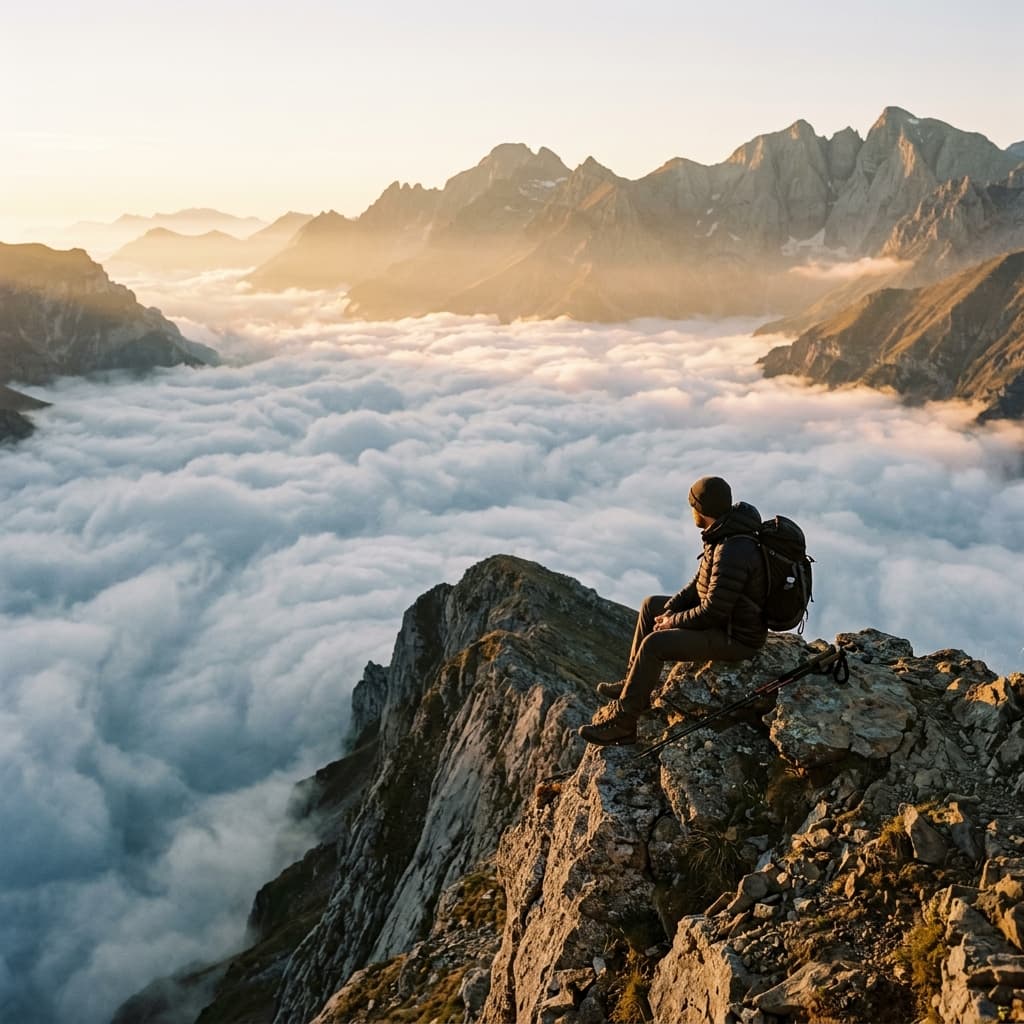
Altitude: Why Your Head Explodes at 3000m (and How to Avoid It)
High-altitude exploration is a brutal confrontation with the laws of physics. When you leave the Gavarnie valley (1400m) aiming for the summit of Mont Perdu (3355m) in a single day, you're not just challenging your muscles; you're challenging your own cerebral biology.
1. The Athlete's Trap: The Danger of Speed
One of the most dangerous misconceptions is believing that excellent physical condition protects you from Acute Mountain Sickness (AMS). In reality, it's often the opposite.
High-level athletes have the muscular power to climb 1000m of vertical gain in record time. By ascending too quickly, they deprive their renal system of the necessary window (24h to 48h) to compensate for the respiratory alkalosis induced by hyperventilation. The result? Massive cerebral vasodilation and increased intracranial pressure.
2. Why the Headache?
The brain is an organ hungry for oxygen. In response to hypoxia (lack of O2), cerebral vessels increase their diameter to try and bring in more blood. However, the brain is enclosed in an inextensible skull. This overpressure stretches the meninges, which are rich in pain sensors, triggering that characteristic throbbing headache.
3. Pyrenean Pharmacopoeia: Nomad Solutions
While Andeans have coca leaves, we have "good herbs" in our mountains with powerful pharmacological properties. But remember: you don't brew tea on a ridge at 3000m!
- Meadowsweet (Filipendula ulmaria): Green aspirin. For the mountains, forget teas and opt for capsules of cryo-ground powder or dry extract. They contain salicylates that act as a powerful systemic analgesic without irritating the gastric lining, which is already weakened by altitude. It’s the ultimate practical solution during effort.
- Génépi (Artemisia umbelliformis): The supreme mountain remedy. In capsules or tincture, it restarts the digestive system affected by hypoxia and fights deep exhaustion.
- Yellow Gentian: To combat altitude-induced loss of appetite and low morale. Its legendary bitterness awakens vital functions.
4. Iron and Spirulina: Fueling the Hypoxia
Altitude forces your body to produce more red blood cells to transport the limited oxygen available. This process is extremely demanding on iron. If your reserves are low before you start, you'll hit a wall.
Spirulina is the trekker's best friend here. Rich in bio-available iron and phycocyanine, it boosts cellular oxygenation and speeds up recovery. A 15-day course before your expedition prepares your blood for optimal O2 transport. You can also boost your intake with local farm products (red meat, lentils) sourced via FarmUni.
5. The Genetic Lottery
Why is your climbing partner perfectly fine while you are devastated by nausea? Science has identified genes like EPAS1 that regulate our adaptation to hypoxia. We are not all equal in the face of altitude. Accepting this vulnerability is the first step toward a successful ascent.
Survival Strategy
- Hydration: 3 to 4 liters per day to thin the blood thickened by dry air.
- The Capsule Format: Keep your herbs in your pocket, ready to use.
- Iron: Anticipate the effort with a Spirulina course started 15 days before departure and local products (FarmUni).
- Listen: A headache that doesn't yield to rest or rest requires an immediate descent.
Author's Note: This article is based on personal experience in the Pyrenees and does not replace professional medical advice.
Medical Disclaimer
This article shares physiological research and personal experiences for informational purposes only. This does not constitute medical advice. Always consult a doctor before undertaking a high-altitude climb, especially if you have an underlying health condition. In the event of symptoms of Acute Mountain Sickness (AMS), the only safe solution is immediate descent.
Did you enjoy this story?
Preserve your own journey through MTB: The Edge of Europe (Basque Country & Navarre) in a premium adventure photo book.
View Adventure
About the Author
Data explorer and mountain enthusiast, BenSeme founded AdvenBook to transform digital achievements into physical legacies.
Ready to tell your story?
Start your own journey and keep your memories alive forever.
Create my AdvenBook